Lean Body Blueprint
Discover practical wellness insights, balanced nutrition tips, and small lifestyle changes that help support energy, metabolism, and long-term well-being.
Why Lean Body Blueprint Exists?
We share practical wellness tips, nutrition insights, and sustainable lifestyle habits to help busy adults improve energy, support healthy weight management, and build long-term healthy routines.
#1
7 Simple Morning Habits That Improve Your Energy and Focus

Wellness
How you start your morning shapes your entire day. Low energy, brain fog, and poor focus often come from simple morning mistakes. The fix? A few small habits that reset your body and mind.
1. Drink Water First
Your body wakes up dehydrated. A glass of water boosts circulation, improves focus, and helps you feel alert—before caffeine.
2. Get Morning Sunlight
Natural light signals your brain to wake up by reducing sleep hormones and increasing alertness.
3. Move Your Body
Light movement like stretching or a short walk improves blood flow, energy, and mood instantly.
4. Eat a Balanced Breakfast
Fuel your body with protein, fiber, and healthy fats to avoid energy crashes and stay focused longer.
5. Avoid Your Phone
Checking your phone early overloads your brain. Start your day distraction-free for better clarity.
6. Plan Your Day
Write down a few key tasks. This reduces stress and keeps your mind focused.
7. Take a Moment of Calm
Just a few minutes of deep breathing can reduce stress and improve mental clarity.
Keep It Simple, Stay Consistent
You don’t need a perfect routine—just a consistent one. These small habits can quickly improve your energy, focus, and overall productivity.
--------------------------------------------------
#2
Signs Your Body Is Not Getting the Nutrients It Needs
Wellness
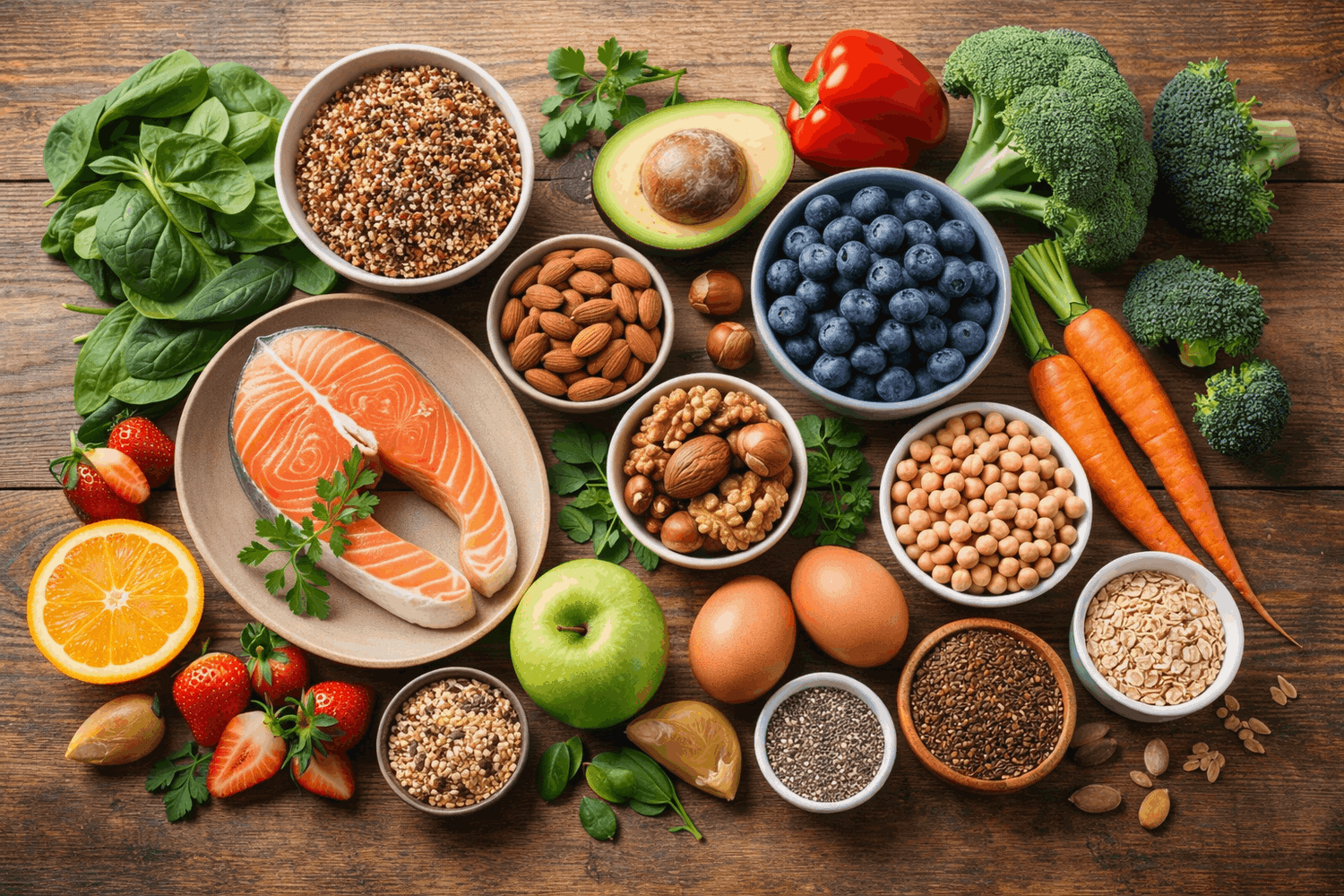
Food is more than just fuel—it powers your energy, focus, and overall health. When your body lacks essential nutrients, it often sends warning signals. Even mild deficiencies can affect how you feel daily.
1. Constant Low Energy
Feeling tired even after good sleep may signal low levels of iron, B12, or magnesium. Poor nutrition limits your body’s ability to produce energy.
2. Frequent Cravings
Craving sugar or junk food can mean your body is missing proper fuel. These foods give quick energy—but lead to crashes and more cravings.
3. Hair Thinning
Weak or falling hair may be linked to low protein, iron, zinc, or biotin—key nutrients for healthy hair growth.
4. Weak Immunity
If you get sick often, your body may lack vitamin C, D, or zinc. These nutrients are essential for a strong immune system.
5. Brain Fog
Difficulty focusing or remembering things can be tied to low intake of omega-3s, B vitamins, or iron.
6. Muscle Weakness
Slow recovery or weak muscles may indicate low protein, potassium, or magnesium.
Support Your Body the Right Way Your body performs best with consistent, balanced nutrition. Focus on whole foods like fruits, vegetables, lean proteins, and healthy fats.
Small changes—like eating better and staying hydrated—can restore energy, improve focus, and strengthen your overall health.
--------------------------------------------------
#3
Why Drinking Enough Water Can Support Fat Loss
Wellness
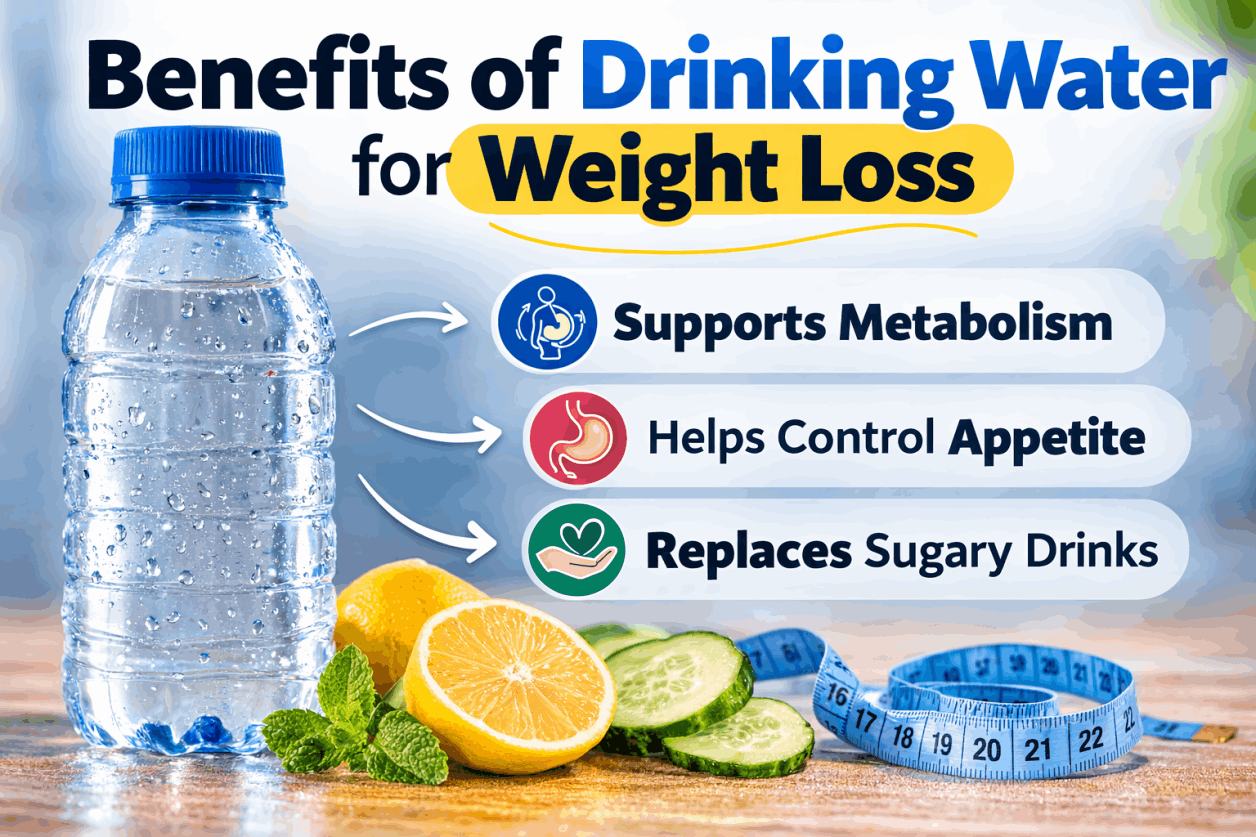
When trying to lose weight, most people focus on diet and exercise—but overlook hydration. Drinking enough water doesn’t directly burn fat, but it plays a key role in supporting metabolism, controlling appetite, and maintaining energy.
Boosts Metabolism
Water supports essential metabolic processes. When you’re hydrated, your body converts nutrients into energy more efficiently. Even mild dehydration can leave you feeling tired and less active.
Helps Control Hunger
Thirst is often mistaken for hunger. Drinking water before snacking can help you avoid unnecessary calories.
It can also create a feeling of fullness, making it easier to control portion sizes during meals.
Reduces Extra Calories
Sugary drinks like sodas, juices, and sweetened coffee add hidden calories. Replacing them with water can significantly reduce daily calorie intake without changing your diet drastically.
Improves Exercise Performance
Hydration supports muscle function, endurance, and recovery. When you’re properly hydrated, workouts feel easier—helping you stay consistent with your fitness routine.
Easy Ways to Stay Hydrated
Start your day with water
Drink before meals
Carry a water bottle
Choose water over sugary drinks
Eat water-rich foods
Keep It Simple
Water isn’t a magic fat-loss solution—but it’s a powerful support habit.
When combined with healthy eating and regular activity, staying hydrated can make weight loss easier, more natural, and sustainable.
--------------------------------------------------
#4
The Importance of Quality Sleep for Healthy Weight Management
Wellness
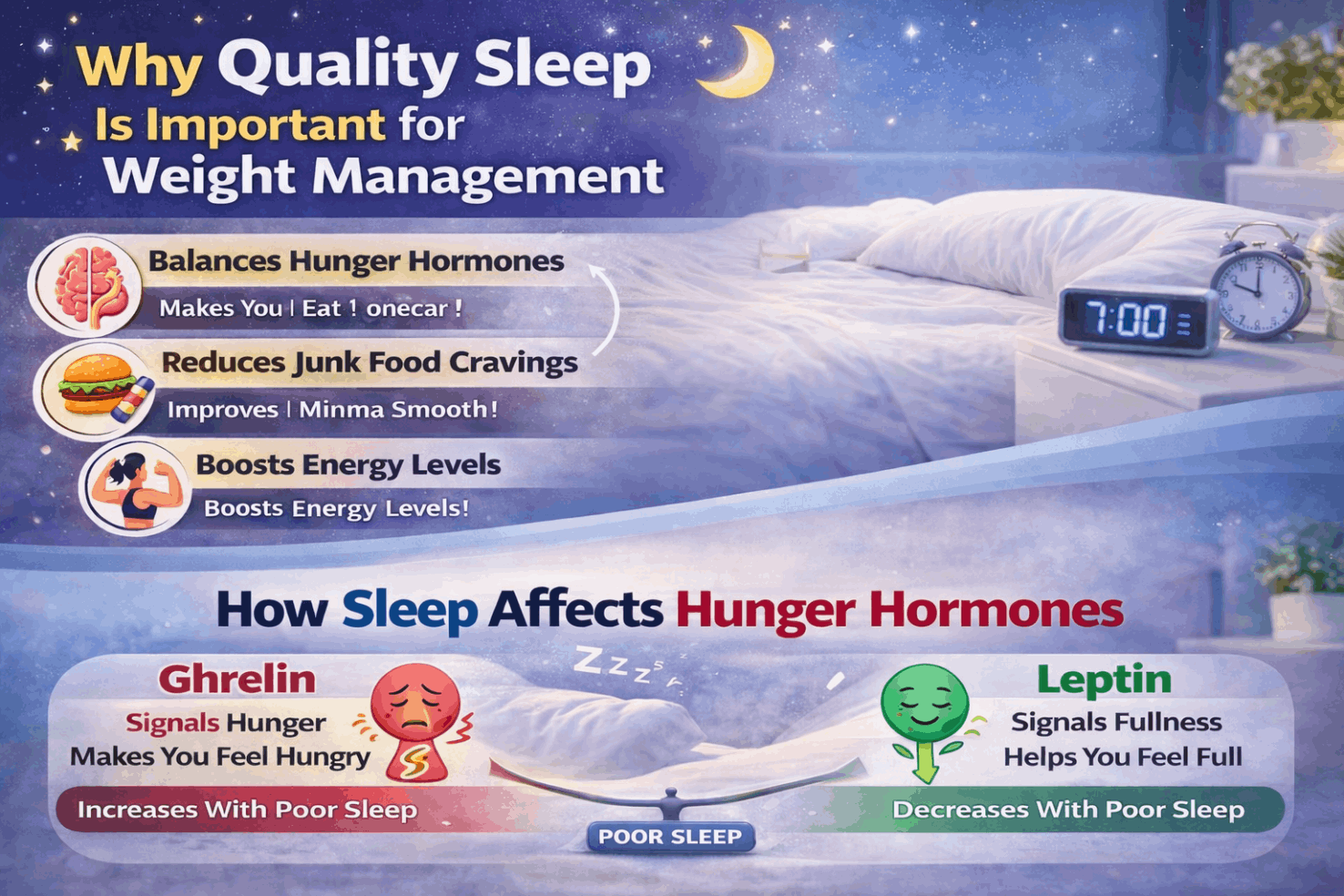
When it comes to weight loss, most people focus on diet and exercise—but ignore sleep. Poor sleep can disrupt hunger, energy, and metabolism, making weight management much harder.
Impacts Hunger Hormones
Sleep affects two key hormones:
Ghrelin (increases hunger)
Leptin (signals fullness)
Lack of sleep raises ghrelin and lowers leptin, leading to more hunger, overeating, and cravings.
Increases Cravings
When you're tired, your body looks for quick energy—usually sugary and high-calorie foods.
At the same time, low energy reduces motivation to eat healthy or stay active, making weight gain more likely.
Affects Metabolism
During sleep, your body repairs itself and regulates metabolism. Poor sleep can disrupt these processes, affecting how your body uses energy and stores fat.
How Much Sleep Do You Need?
Most adults need 7–9 hours of quality sleep per night. Consistency matters just as much as duration.
Simple Ways to Improve Sleep
Keep a consistent sleep schedule
Reduce screen time before bed
Create a calm sleep environment
Avoid caffeine late in the day
Practice relaxation before sleeping
Build a Strong Foundation
Sleep is not optional—it’s essential.
When combined with proper nutrition and regular activity, quality sleep helps control appetite, reduce cravings, and support long-term weight management.
--------------------------------------------------